Exploring the Unique Characteristics of the Red Tibetan Mastiff
Here’s an overview:
- Introduction to the Red Tibetan Mastiff breed
- Origins and History of the Red Tibetan Mastiff
- Unique Physical Characteristics of the Red Tibetan Mastiff
- Role of the Red Tibetan Mastiff in Tibetan culture
- Popularity and Status of the Red Tibetan Mastiff Today
- Breed standards and characteristics
- Breeding practices and challenges
- Health concerns and common ailments
- Training and Socialization of Red Tibetan Mastiffs
- Conclusion and Future Outlook
Introduction to the Red Tibetan Mastiff breed
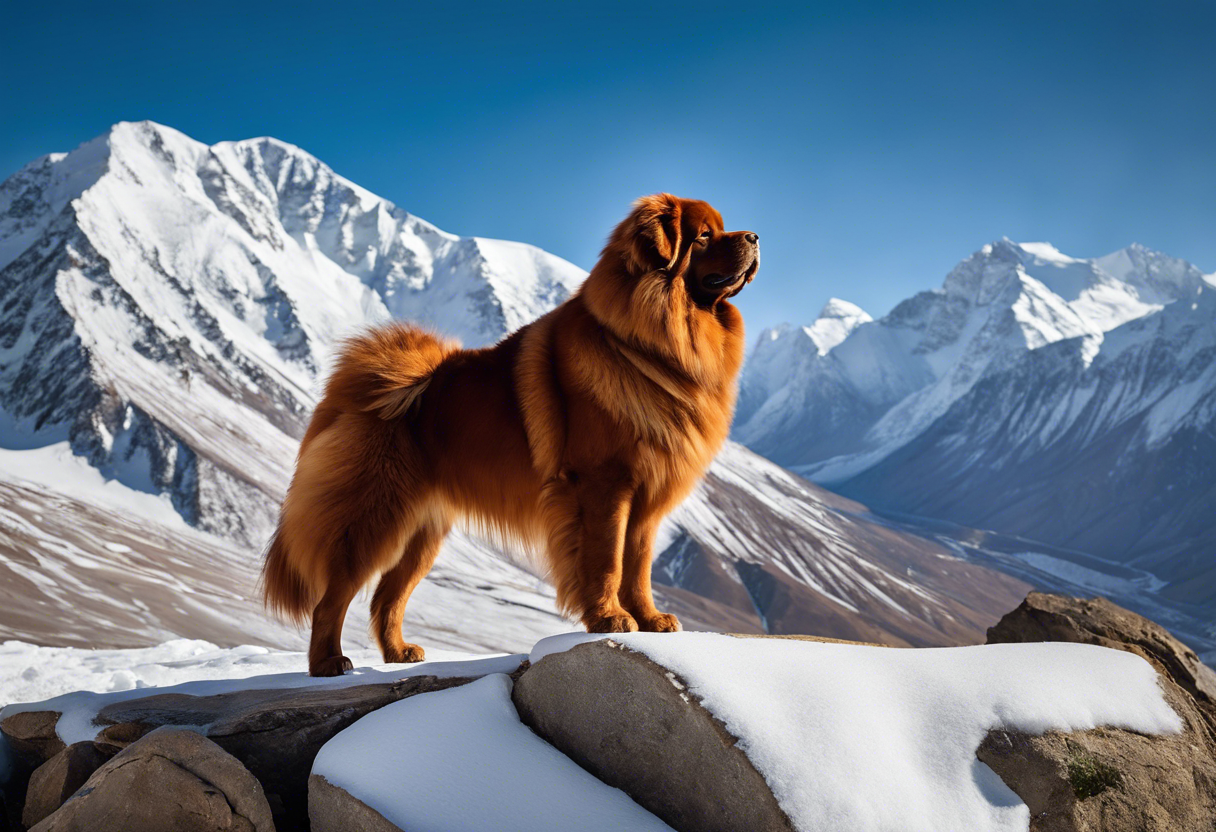
The Red Tibetan Mastiff is a majestic and ancient breed known for its large size, impressive strength, and distinctive red coat. Originating from the Tibetan Plateau, these dogs were historically used to protect livestock and property in the harsh conditions of the Himalayas.
Unique Characteristics:
- Appearance: The Red Tibetan Mastiff is easily recognized by its thick double coat, strong build, and striking red fur. They have a powerful, muscular body that exudes confidence and strength.
- Temperament: Despite their imposing appearance, Red Tibetan Mastiffs are known for their calm and gentle nature. They are loyal and protective of their family, making them excellent guard dogs.
- Intelligence: These dogs are highly intelligent and independent, which can make training a bit challenging. However, with consistency and positive reinforcement, they can be trained effectively.
- Health: Red Tibetan Mastiffs are generally healthy dogs but can be prone to certain health issues like hip dysplasia and heart problems. Regular exercise, proper nutrition, and routine vet check-ups are essential for their well-being.
The Red Tibetan Mastiff breed has gained popularity in recent years, with some individuals fetching high prices due to their rarity and unique characteristics. Their regal appearance and loyal nature make them a prized companion for those who appreciate their majestic presence and devoted companionship.
Origins and History of the Red Tibetan Mastiff
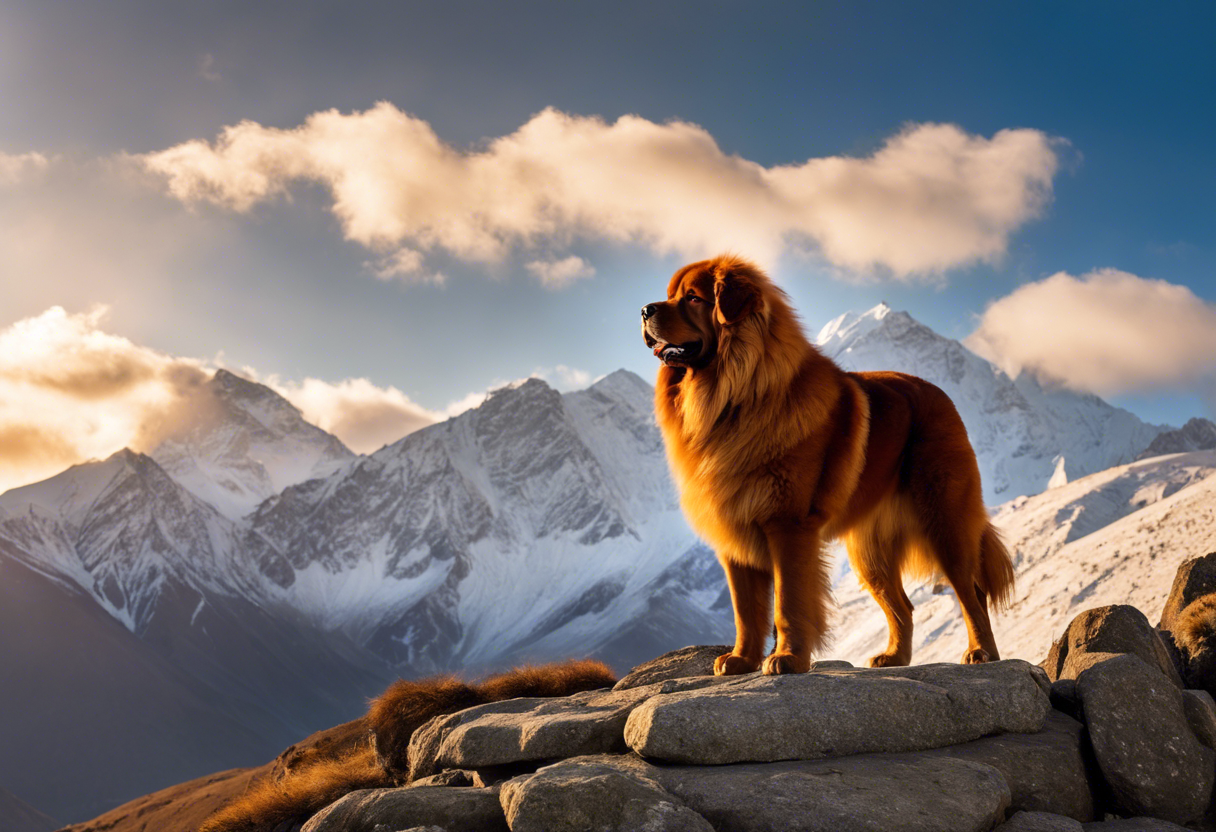
The Red Tibetan Mastiff is an ancient breed that can trace its roots back to the nomadic cultures of Tibet and China. Originally bred by Tibetan nomads to protect their livestock from predators such as wolves and bears, these majestic dogs have been guarding and patrolling the Himalayan mountains for centuries.
The Red Tibetan Mastiff’s striking red coat is a defining characteristic that sets it apart from other mastiff breeds. This unique coloration is believed to have developed due to the harsh climate and high altitude of the Tibetan Plateau, where the breed originated.
In ancient times, Red Tibetan Mastiffs were highly prized by Tibetan nomads and were often given as gifts to visiting dignitaries and royalty. These dogs were valued not only for their imposing size and protective instincts but also for their loyalty and companionship.
Over the centuries, the Red Tibetan Mastiff has gained a reputation as a symbol of wealth and status in China, where they are considered a luxury pet among the elite. This has led to a surge in demand for the breed, resulting in a proliferation of poorly bred and misrepresented Red Tibetan Mastiffs in the market.
Despite their popularity and status symbol, Red Tibetan Mastiffs remain a rare and prized breed, known for their regal appearance, protective nature, and unwavering loyalty to their families. Their rich history and unique characteristics continue to captivate dog lovers around the world.
Unique Physical Characteristics of the Red Tibetan Mastiff
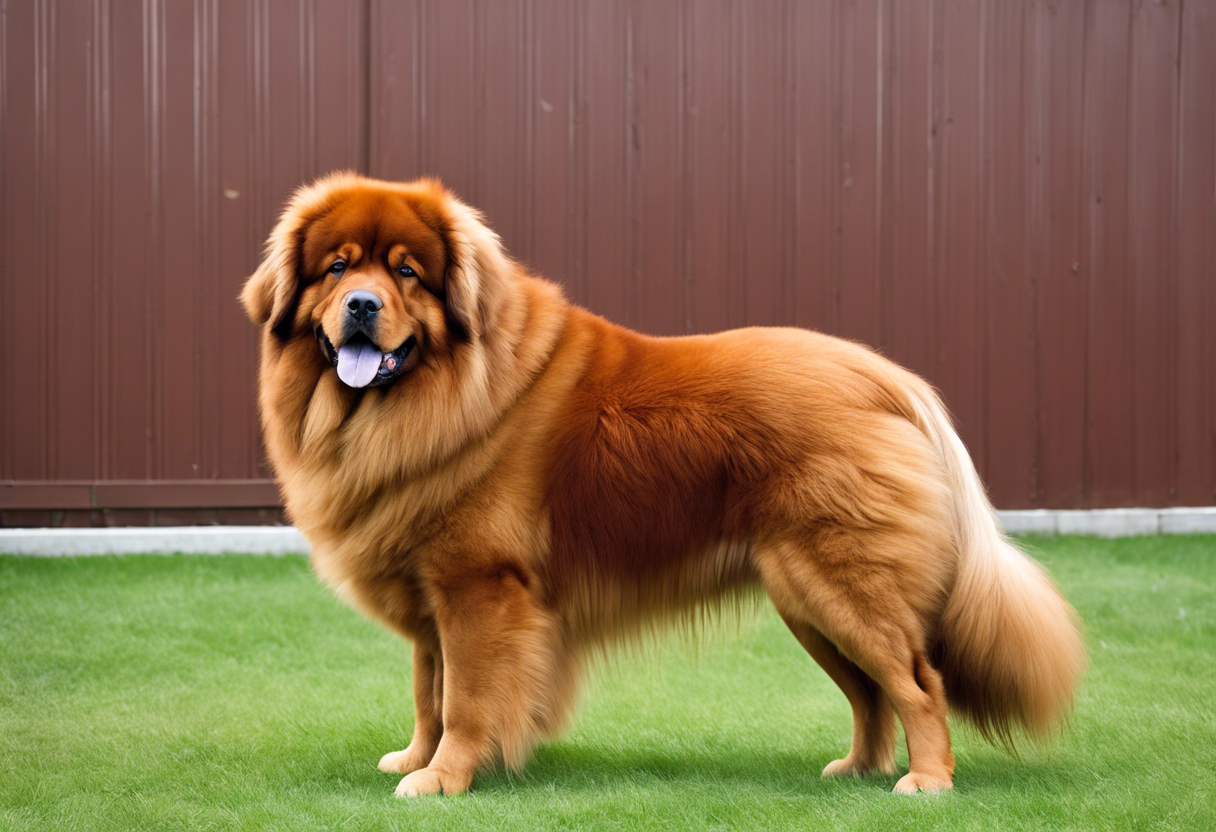
- The Red Tibetan Mastiff is known for its large size, with males reaching up to 26 inches in height and weighing between 90 to 150 pounds. Females are slightly smaller, typically reaching a height of 24 inches and weighing between 70 to 120 pounds.
- One of the most striking features of the Red Tibetan Mastiff is its thick double coat, which serves as protection against harsh weather conditions in its native Tibetan Plateau. The outer coat is long, coarse, and straight, while the undercoat is soft and dense. This luxurious mane gives the Red Tibetan Mastiff a majestic appearance.
- This breed is famous for its distinctive reddish-gold fur, which can range from a deep mahogany color to a lighter golden hue. The rich red coat color is a hallmark of the breed and sets the Red Tibetan Mastiff apart from other Mastiff breeds.
- The Red Tibetan Mastiff has a broad head with a slightly wrinkled forehead, and small, high-set triangular ears that hang close to the head. Their deep-set, medium-sized eyes are typically dark brown or amber in color, imparting a wise and noble expression.
- With a strong, muscular build, the Red Tibetan Mastiff exudes power and athleticism. Its well-developed chest, strong legs, and sturdy bones make it a formidable working and guarding dog. This breed is known for its endurance, agility, and impressive physical strength.
The Red Tibetan Mastiff’s unique physical characteristics not only make it a strikingly beautiful breed but also contribute to its prowess as a guardian and working dog.
Role of the Red Tibetan Mastiff in Tibetan culture
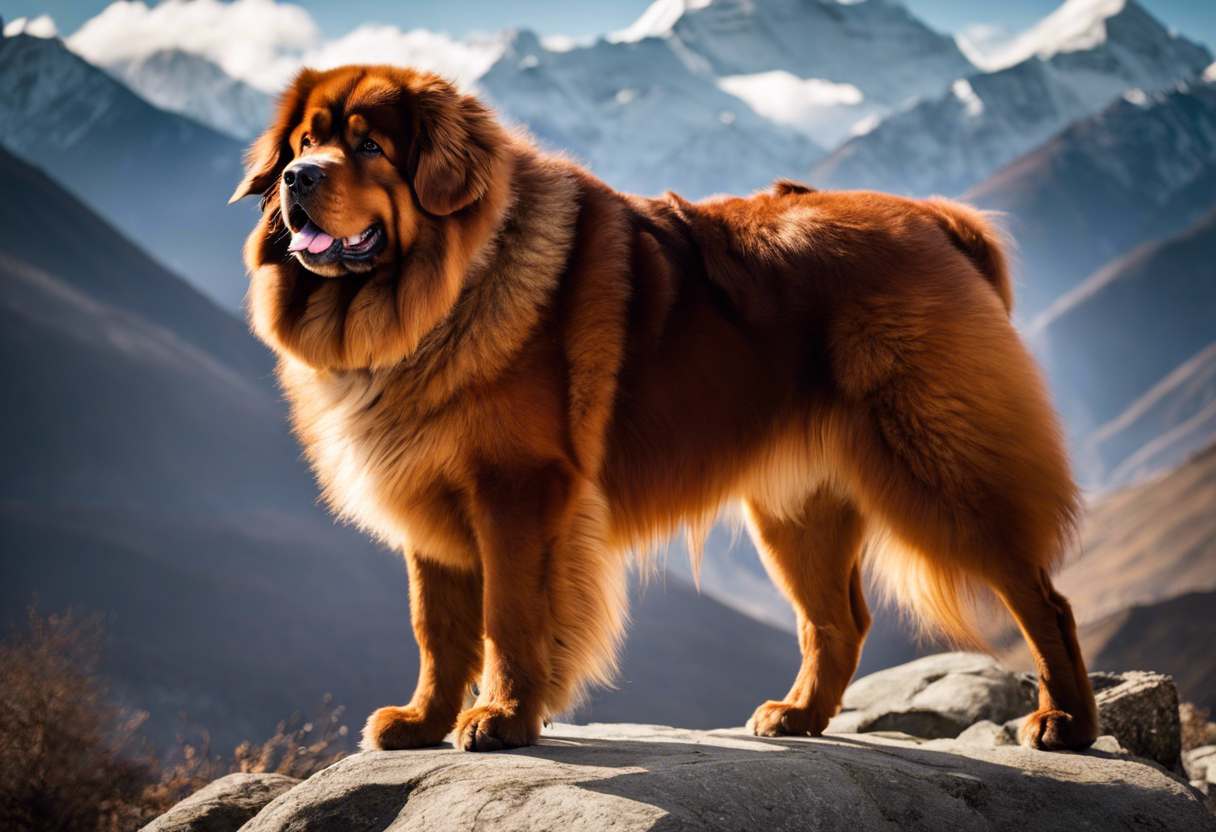
The Red Tibetan Mastiff holds a significant role in Tibetan culture, revered for its majestic appearance and protective nature.
Historically, these dogs were used by Tibetan nomadic tribes to guard livestock from predators such as wolves and bears.
The Red Tibetan Mastiff is considered a symbol of wealth and status in Tibetan society, often given as gifts to show respect and appreciation.
In Tibetan Buddhist culture, these dogs are believed to possess spiritual qualities and are sometimes associated with the deity of compassion, Chenrezig.
Due to their protective instincts and loyal nature, Red Tibetan Mastiffs are sometimes referred to as “lion dogs” in Tibetan culture.
These dogs have also been featured in Tibetan art and literature, further solidifying their place in the cultural heritage of the region.
The Red Tibetan Mastiff is deeply ingrained in Tibetan traditions, with some communities holding special ceremonies to bless and honor these remarkable animals.
In modern times, efforts are being made to preserve the breed’s purity and promote awareness of its cultural significance within Tibet and beyond.
Popularity and Status of the Red Tibetan Mastiff Today
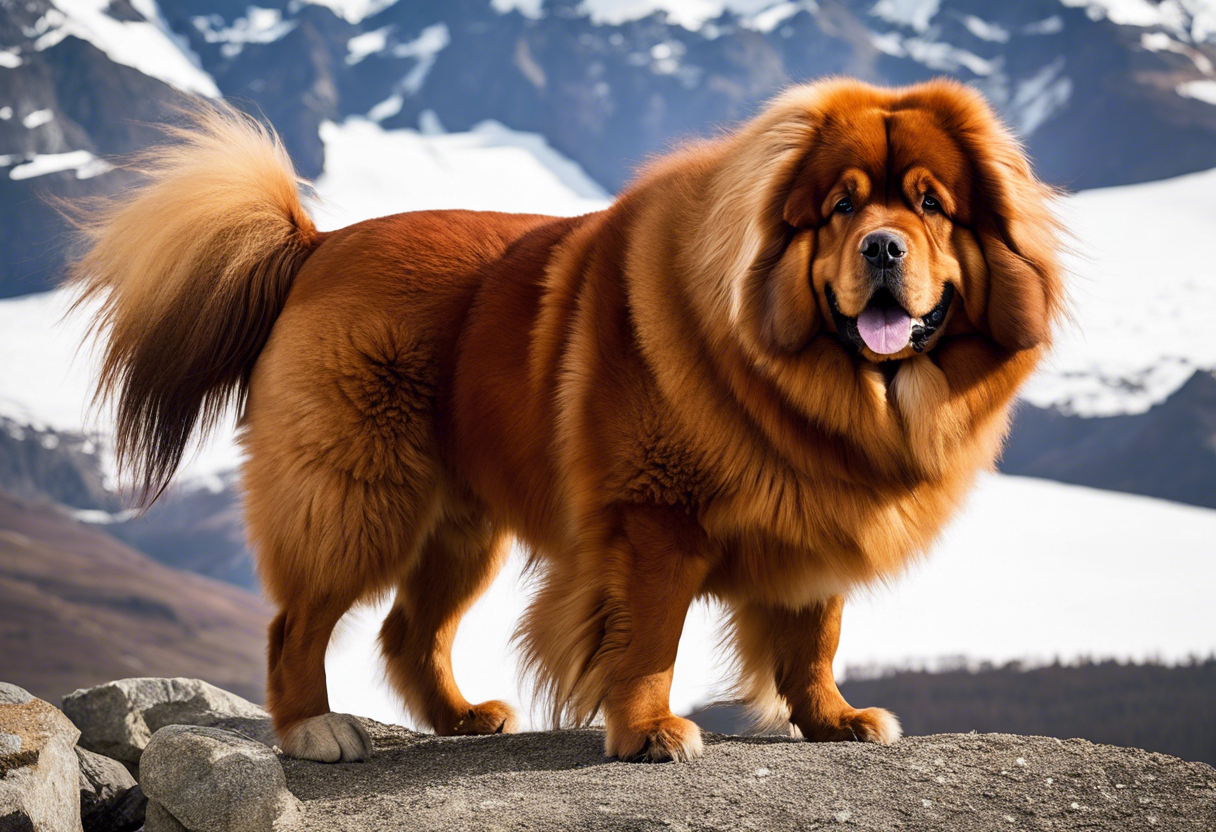
The Red Tibetan Mastiff has gained significant popularity in recent years, especially in China and other parts of the world.
Their rarity and striking appearance have contributed to their elevated status as a coveted breed among dog enthusiasts.
Due to their distinct red coat color and large size, Red Tibetan Mastiffs are often seen as symbols of wealth and status.
This breed has captivated the attention of celebrities and high-profile individuals, further boosting its prestige.
The demand for Red Tibetan Mastiffs has resulted in high prices, with some dogs selling for hundreds of thousands of dollars.
Despite their popularity, it is essential for potential owners to consider the specific needs and temperament of this breed before bringing one into their homes.
Breed enthusiasts and organizations strive to promote responsible ownership and preserve the unique characteristics of the Red Tibetan Mastiff.
Ongoing efforts are being made to ensure the breed’s health and well-being, given their susceptibility to certain genetic conditions.
The future of the Red Tibetan Mastiff remains promising, with continued interest from dog lovers and efforts to maintain its legacy as a remarkable and revered breed.
Breed standards and characteristics
The Red Tibetan Mastiff is a large and powerful dog, known for its impressive size and strength.
According to breed standards, male Red Tibetan Mastiffs typically stand between 26-30 inches tall at the shoulder, while females are slightly smaller, ranging from 24-28 inches.
This breed usually weighs between 80-160 pounds, with males on the heavier end of the spectrum.
The Red Tibetan Mastiff has a distinctive lion-like mane around its neck and shoulders, adding to its majestic appearance.
The breed’s coat is thick, dense, and long, with a coarse outer coat and a softer undercoat to protect it from harsh weather conditions.
Red Tibetan Mastiffs have a beautiful red or golden fur color, which is one of their most striking characteristics.
These dogs have a strong, muscular build and are incredibly agile for their size.
They have a noble and aloof temperament, making them excellent guard dogs and loyal companions.
Red Tibetan Mastiffs are known for their independent nature and may require firm and consistent training from an early age.
Overall, the Red Tibetan Mastiff is a unique and impressive breed that boasts a blend of strength, beauty, and loyalty.
Breeding practices and challenges

Breeding practices for Red Tibetan Mastiffs involve careful selection of breeding pairs to maintain the breed’s unique characteristics. Breeders focus on traits such as size, temperament, and coat color to ensure the preservation of the breed standard.
Health screening is an essential aspect of breeding Red Tibetan Mastiffs to prevent hereditary diseases from being passed down to future generations. Breeders often conduct tests for hip dysplasia, eye issues, and heart conditions to promote the overall health of the breed.
Inbreeding is a common challenge faced by breeders of Red Tibetan Mastiffs, as the gene pool for this rare breed is limited. To combat this issue, breeders may need to collaborate with other breeders or introduce new bloodlines to maintain genetic diversity and reduce the risk of health problems associated with inbreeding.
Another challenge in breeding Red Tibetan Mastiffs is the time and resources required to raise and care for these large and independent dogs. Proper socialization, training, and exercise are crucial for the well-being of the breed, demanding dedication and commitment from breeders.
The demand for Red Tibetan Mastiffs as exotic pets has led to unethical breeding practices, such as puppy mills and irresponsible breeding for profit. This can result in health issues and behavioral problems in the offspring, highlighting the importance of responsible breeding practices to preserve the breed’s integrity.
Despite these challenges, dedicated breeders of Red Tibetan Mastiffs continue to work towards maintaining the breed’s unique characteristics and promoting responsible breeding practices to ensure the future health and well-being of this majestic breed.
Health concerns and common ailments

The Red Tibetan Mastiff is generally a healthy breed with a lifespan of around 10-14 years. However, like all dog breeds, they can be prone to certain health concerns and common ailments.
One common health issue in Red Tibetan Mastiffs is hip dysplasia. This condition occurs when the hip joint doesn’t develop properly, leading to arthritis and mobility issues. Regular exercise and a healthy diet can help prevent hip dysplasia.
Another potential health concern for Red Tibetan Mastiffs is gastric torsion, also known as bloat. This condition happens when the stomach fills with gas and twists, which can be life-threatening if not treated promptly. Feeding your dog smaller meals throughout the day and avoiding vigorous exercise after meals can help reduce the risk of bloat.
Due to their thick double coat, Red Tibetan Mastiffs are also prone to skin issues such as hot spots and allergies. Regular grooming and bathing can help prevent skin problems in this breed.
It’s essential to keep up with regular veterinary check-ups and vaccinations to maintain the overall health of your Red Tibetan Mastiff. If you notice any changes in your dog’s behavior or appearance, it’s crucial to seek advice from a qualified veterinarian.
By being aware of these potential health concerns and taking proactive steps to prevent them, you can help ensure that your Red Tibetan Mastiff lives a long, healthy, and happy life.
Training and Socialization of Red Tibetan Mastiffs
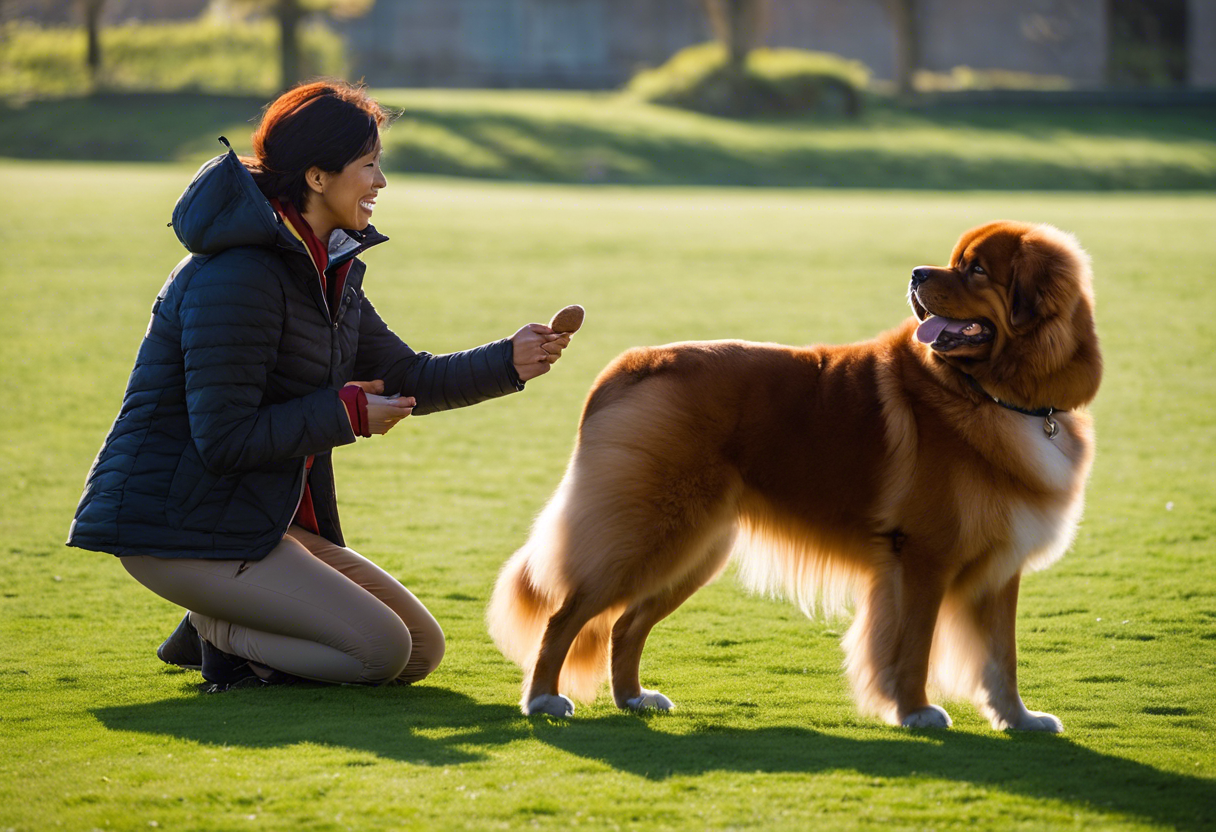
Red Tibetan Mastiffs are known for their independent and strong-willed nature, so early socialization and training are crucial.
Socialization: Expose your Red Tibetan Mastiff puppy to various people, animals, sights, and sounds from a young age to help them become well-adjusted adults.
Training: These dogs are intelligent but can be stubborn, so consistent and firm training methods with positive reinforcement work best.
Basic Commands: Start with basic commands like sit, stay, come, and heel, and gradually progress to more advanced training exercises.
Exercise: Red Tibetan Mastiffs are energetic dogs that require regular exercise to stay healthy and happy. Daily walks and playtime are essential.
Leadership: Establish yourself as the pack leader early on by setting rules and boundaries, which will help prevent behavioral issues in the future.
Patience: Training a Red Tibetan Mastiff may take time and patience, as they can be independent thinkers. Stay calm and consistent in your training approach.
Social Interactions: Encourage positive interactions with other dogs and people to prevent aggression or shyness in your Red Tibetan Mastiff.
Professional Help: If you’re struggling with training or behavioral issues, consider seeking the help of a professional dog trainer or behaviorist.
By investing time and effort into training and socializing your Red Tibetan Mastiff, you can ensure they grow up to be well-mannered, well-adjusted companions.
Conclusion and Future Outlook

- The Red Tibetan Mastiff stands out as a remarkable breed with its unique characteristics, including its majestic appearance, strong build, and loyal nature.
- This breed has a rich history serving as guardians of the Himalayan villages and displays a deep loyalty to its family members.
- The distinct red-brown fur of the Red Tibetan Mastiff adds to its allure, making it a prized possession among dog enthusiasts.
- Moving forward, breeders and owners of the Red Tibetan Mastiff must continue to prioritize responsible breeding practices to maintain the breed’s health and genetic heritage.
- Future research could delve deeper into the genetic origins of the Red Tibetan Mastiff to uncover more about its ancestry and unique traits.
- Conservation efforts should also be emphasized to protect the purity of the breed and ensure its survival for generations to come.
By recognizing the exceptional qualities of the Red Tibetan Mastiff and taking proactive steps to preserve its traits, this magnificent breed can continue to hold a special place in the hearts of dog lovers around the world.